Buyer guide · Multi-category projects
Can tags, boxes, bags and other print items be produced together?
Yes. One project team can coordinate multiple packaging and print categories, even when different manufacturing processes or specialist suppliers are involved. The key is to manage one specification list, approval standard, colour plan, schedule and delivery matrix without representing every category as coming from one factory.
Submit a category list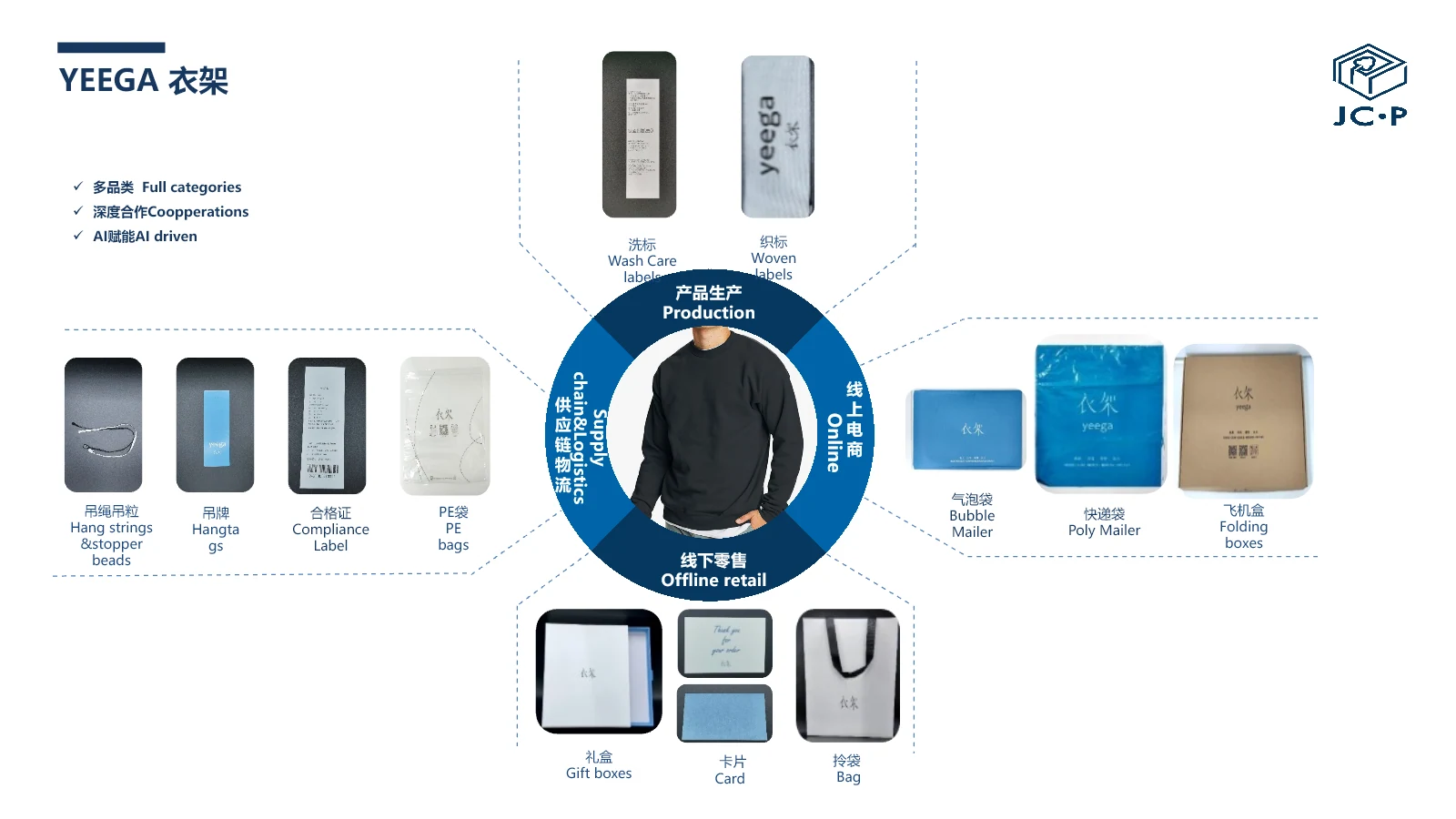
Checklist
What to include in a multi-category project list
- Item name, version and responsible buyer
- Finished dimensions and quantity for each item
- Material, print and finishing requirements
- Artwork status and variable-data rules
- Which colours must coordinate across items
- Sample type and approval owner
- Packing, sorting and labelling rules
- Required arrival date and delivery location
Project control
Six controls that keep multiple packaging items aligned
1. Master specification list
Record every item, size, material, quantity, finish, version and approval status in one controlled list.
2. Appropriate production route
Assign paper print, textile labels, plastic packs and specialist finishes to the actual capable production entity.
3. Shared colour plan
Define common brand targets while recognising that paper, fabric and plastic require separate approved standards and tolerances.
4. Sample matrix
Identify which items need structural blanks, digital proofs, finished samples or assembly trials and who approves each one.
5. Integrated schedule
Work backwards from arrival date and include the longest material, tooling, sample and production dependencies across categories.
6. Consolidated delivery rules
Coordinate counts, sorting, carton labels, delivery locations and whether items ship together or in controlled batches.
Buyer benefits
Four reasons to coordinate related print items as one project
Fewer specification gaps
One item list reduces differences between buyer files, supplier quotations, samples and final orders.
Clearer colour decisions
Critical brand colours can be reviewed together while realistic material-specific standards are documented.
Better schedule visibility
The buyer can see which item controls the overall arrival date and where an approval delay affects other categories.
More usable delivery
Items can be counted, sorted and labelled around styles, stores, campaigns or packing-line requirements.
FAQ
Multi-category coordination questions
Can every item use exactly the same colour?
Items can target one brand colour, but different substrates and processes normally require separate approved samples and reasonable tolerances.
Can all items be delivered together?
Yes when schedules align. Otherwise a planned split delivery may reduce risk for urgent or long-lead categories.
Can one quotation include several categories?
Yes. Each item should still show its own specification, quantity, tooling, sample and delivery assumptions so the total remains comparable.
Who checks version and quantity matching?
The project list should define version names, variable data, quantities and approval ownership, followed by production and packing checks.
Continue planning a coordinated packaging system