Procurement knowledge
Custom Packaging Buyer Guides
100 clear answers for buyers defining specifications, comparing options, approving samples and preparing packaging for production.

Buyer guide · Pricing
What determines the cost of custom packaging?
Learn what determines a custom packaging quotation: structure, size, material, quantity, printing, finishes, sampling, schedule and delivery in China.
Read guide →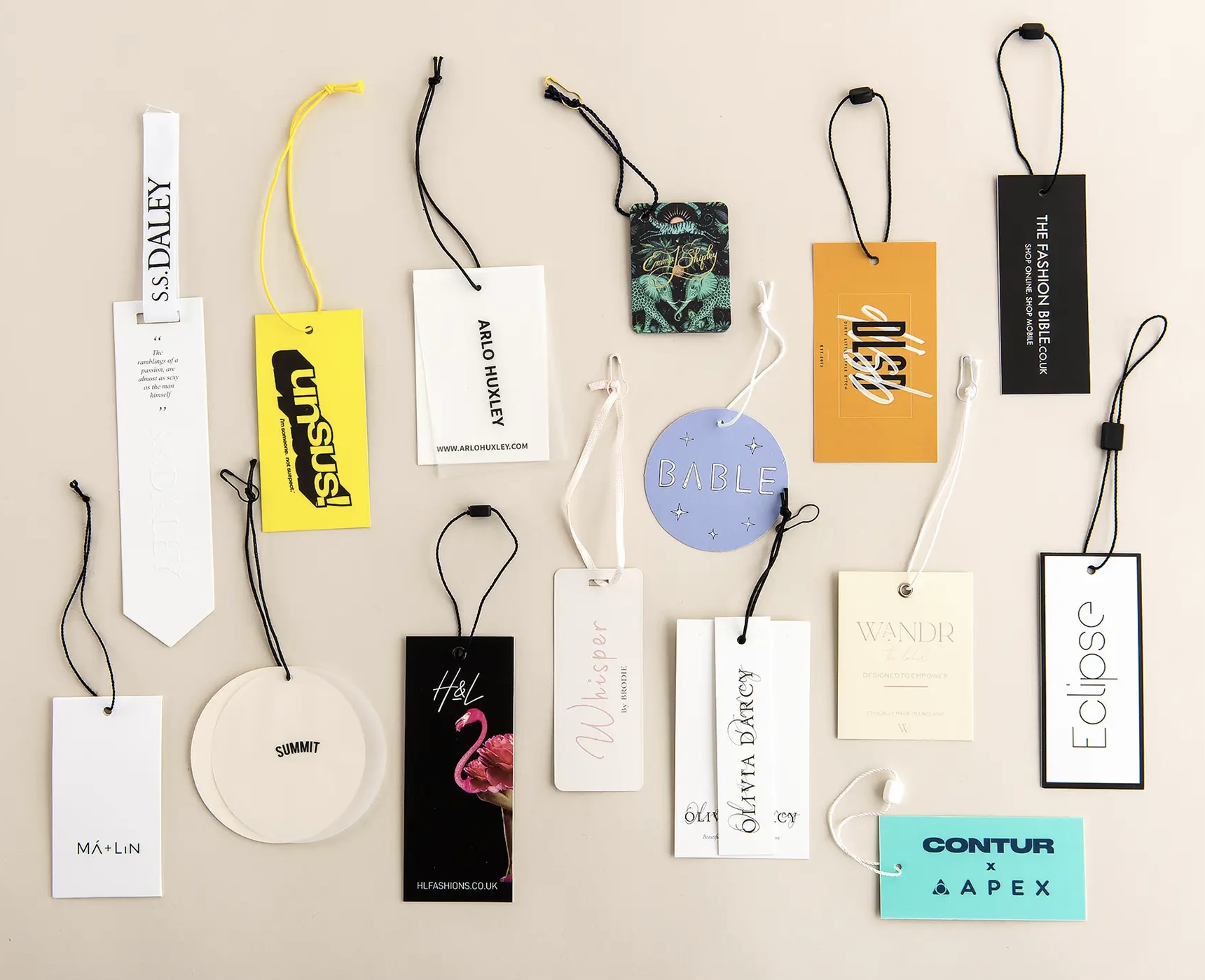
Buyer guide · Sampling
How does one-piece packaging sampling work in 3–7 days?
How one-piece personalised packaging sampling works, the difference between structural, digital and finished samples, and what is needed for a typical 3–7 day sample schedule.
Read guide →Buyer guide · Colour control
How is colour difference controlled in packaging printing?
How packaging print colour variation is controlled through colour references, paper selection, proofs, approved samples, production records and agreed tolerances.
Read guide →
Buyer guide · Sample matching
Can new packaging be made exactly like an original sample?
Learn how a packaging supplier evaluates an original sample, measures its structure, identifies materials and finishes, prepares proofs and defines an approval tolerance.
Read guide →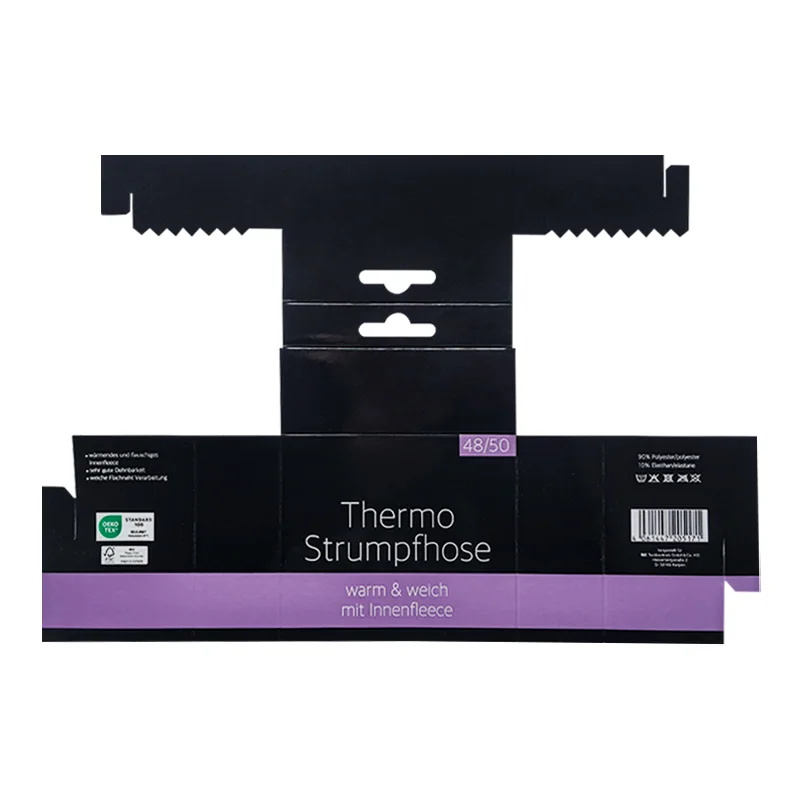
Buyer guide · Design support
Can a packaging supplier help with design?
Understand packaging design support from structure recommendations and dielines to artwork checks, layout adaptation, sampling and production-file approval.
Read guide →
Buyer guide · Small batches
Can a small quantity of packaging be personalised?
How small-batch personalised packaging works, when digital printing or standard structures are suitable, and why one-piece sampling does not make every bulk MOQ one.
Read guide →Buyer guide · Lead time
Can custom packaging lead time be shortened?
How to evaluate an expedited custom packaging schedule, including material availability, artwork approval, sampling, outsourced finishes, capacity and delivery in China.
Read guide →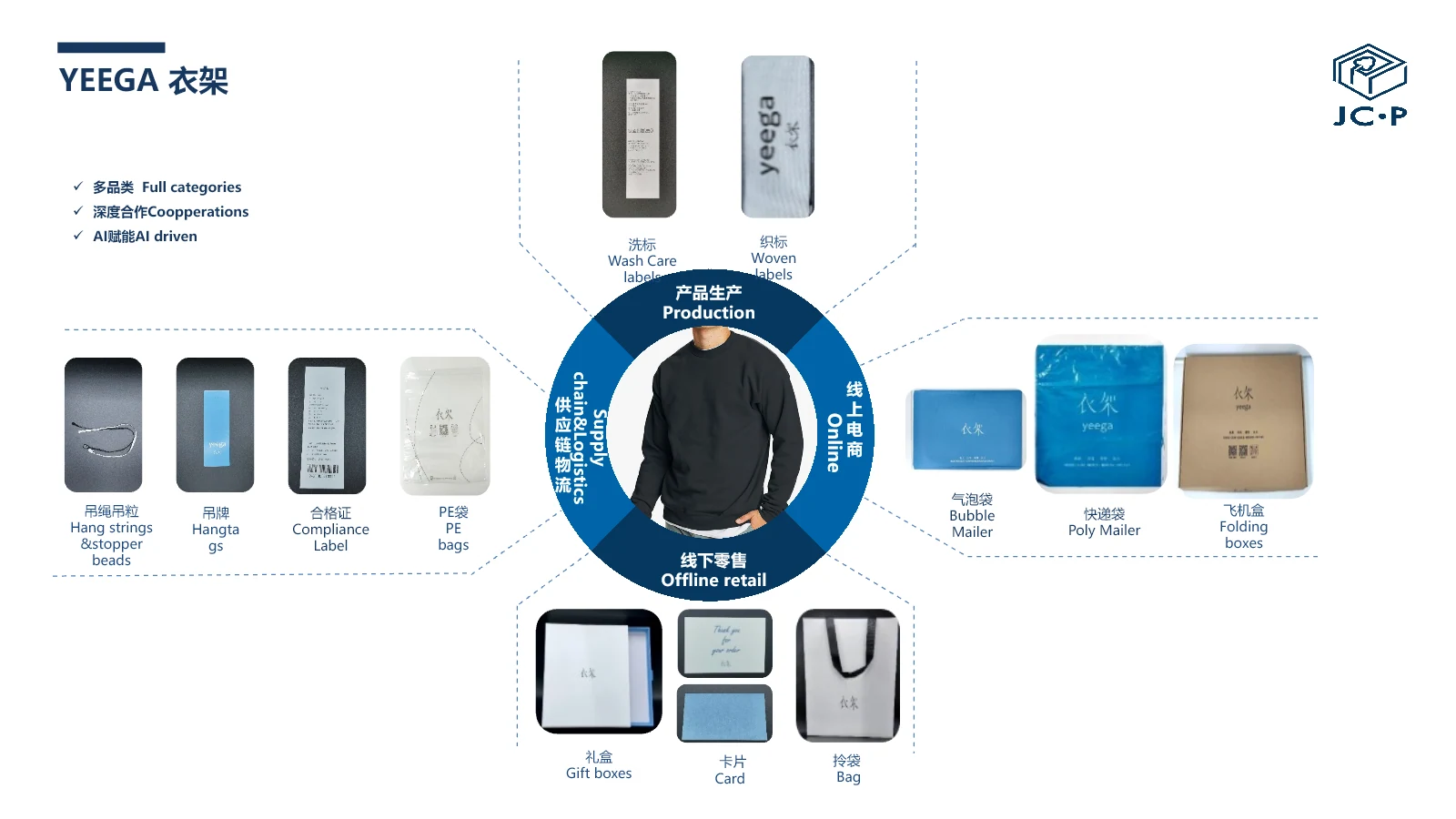
Buyer guide · Multi-category projects
Can tags, boxes, bags and other print items be produced together?
How one project team coordinates hangtags, labels, boxes, paper bags, cards, tissue and e-commerce packaging across specifications, samples, colour and delivery.
Read guide →Buyer guide · Sample cost
Can a custom packaging sample be free?
When a packaging sample may be free, what creates custom sample cost, and how blank samples, digital proofs, structural blanks and finished samples differ.
Read guide →Buyer guide · Relevant experience
How can a buyer verify relevant packaging experience?
How buyers can verify relevant packaging experience through comparable structure, material, process, use case, quality controls and shareable physical evidence.
Read guide →
Buyer guide · Certification evidence
How should buyers verify FSC and other packaging documents?
How buyers should verify FSC, ISO 9001, BSCI and related packaging documents against the named entity, validity, scope, product group, material and actual order.
Read guide →Buyer guide · Planning
What should a custom packaging project brief include?
A useful brief connects the packed product and business objective to measurable size, quantity, material, appearance, timing and approval requirements.
Read guide →Buyer guide · Planning
How should a packaging specification sheet be written?
Write one controlled specification that identifies the SKU, geometry, materials, printing, finishing, packing, tolerances, tests and approved references.
Read guide →Buyer guide · Planning
How is custom packaging MOQ determined?
MOQ is determined by the combined minimums and setup economics of material purchase, printing, tooling, finishing, assembly and SKU allocation.
Read guide →Buyer guide · Planning
How should buyers compare custom packaging quotations?
Compare quotations against one frozen baseline and separate specification differences, optional upgrades, packing assumptions, taxes and delivery scope.
Read guide →Buyer guide · Planning
What is the total cost of custom packaging?
Total cost includes development, tooling, unit production, inspection, packing, logistics, inventory, damage, rework and obsolescence—not unit price alone.
Read guide →Buyer guide · Planning
How can custom packaging cost be reduced without losing function?
Start by protecting required performance, then simplify material combinations, dimensions, finishes, SKU fragmentation and logistics inefficiency.
Read guide →Buyer guide · Planning
How should a packaging development timeline be planned?
Plan backwards from required delivery and show dependencies for specification, artwork, material, tooling, samples, approval, production, inspection and transport.
Read guide →Buyer guide · Planning
How should packaging changes be controlled?
Every change needs a revision identity, reason, affected SKU list, risk review and explicit reapproval of cost, sample, schedule and inventory impact.
Read guide →Buyer guide · Planning
How can packaging artwork version errors be prevented?
Use unique revision names, one release owner, locked approval records and withdrawal of obsolete files from every production and supplier location.
Read guide →Buyer guide · Planning
How should a new packaging supplier be onboarded?
Onboarding should verify scope, evidence, communication, sample standards, quality controls, change management and delivery performance before volume is increased.
Read guide →
Buyer guide · Materials
How should paperboard grade be selected for packaging?
Select paperboard from forming, stiffness, print appearance, surface treatment, supply consistency and the packed product’s protection needs.
Read guide →Buyer guide · Materials
What paperboard thickness should custom packaging use?
There is no universal thickness: approve weight and measured caliper on the final structure with realistic load, crease and assembly trials.
Read guide →Buyer guide · Materials
Should packaging use coated or uncoated paper?
Coated paper usually gives smoother image reproduction, while uncoated paper offers a more natural feel; the decision must also include ink, finish and forming behaviour.
Read guide →Buyer guide · Materials
When is kraft paper suitable for custom packaging?
Kraft paper suits natural visual directions and many practical structures, but shade, fibre variation, ink colour, scoring and recycled-content claims need approval.
Read guide →Buyer guide · Materials
How should recycled paper packaging be specified?
Specify recycled content, evidence, appearance tolerance, strength and process performance for the exact supplied grade instead of using “recycled” as a complete specification.
Read guide →Buyer guide · Materials
How should FSC paper be purchased for packaging?
Define the required FSC claim and verify chain-of-custody scope, invoice wording and product eligibility with the actual certified supply chain.
Read guide →Buyer guide · Materials
How should paper be selected for custom paper bags?
Paper-bag stock must balance appearance, folding, handle reinforcement, loaded strength, printing and moisture exposure at the intended size.
Read guide →Buyer guide · Materials
How should corrugated flute be selected for packaging?
Choose the board build-up from packed weight, print surface, cushioning, stacking, die cutting and shipping conditions, then test the assembled pack.
Read guide →Buyer guide · Materials
How should greyboard be selected for rigid boxes?
Approve greyboard thickness, density, flatness, moisture and wrapped-edge performance on the final box size and construction.
Read guide →Buyer guide · Materials
How should tissue paper be specified for packaging?
Specify tissue weight, shade, opacity, rub risk, print coverage, sheet size and folding method for the actual presentation and product contact situation.
Read guide →Buyer guide · Materials
How should packaging insert material be selected?
Insert material should retain and protect the product while meeting appearance, assembly, recovery, recyclability and product-contact requirements.
Read guide →Buyer guide · Materials
How should plastic e-commerce bag material be selected?
Specify resin or film build-up, thickness, opacity, sealing, tear resistance, adhesive closure and any recycled-content evidence for the delivery route.
Read guide →Buyer guide · Materials
How should biodegradable packaging claims be verified?
A biodegradable or compostable claim needs a defined material, test standard, conditions, certification scope and disposal route; the words alone are not evidence.
Read guide →Buyer guide · Materials
How can packaging be designed for recyclability?
Prefer necessary materials and separable combinations, then review coatings, windows, foils, adhesives, labels and local collection reality.
Read guide →Buyer guide · Materials
How should moisture be controlled in paper packaging?
Control warehouse conditions, conditioning time, wrapping, process sequence and inspection because moisture changes can cause curl, cracking, warp and poor adhesion.
Read guide →Buyer guide · Print files
Should packaging use CMYK or Pantone colours?
Use CMYK for process imagery and Pantone or controlled spot colours when a specific brand colour needs a dedicated ink; many projects combine both.
Read guide →Buyer guide · Print files
When should packaging use spot-colour printing?
Spot colour is useful for controlled brand colours, solids and selected special effects, provided ink, substrate, opacity and approval references are defined.
Read guide →Buyer guide · Print files
How should black be specified in packaging artwork?
Different text, fine lines and large black solids may need different colour builds; define rich black, single black, overprint and total ink limits with the printer.
Read guide →Buyer guide · Print files
How is white ink controlled on packaging?
White ink must be evaluated for opacity, layer order, registration, pinholes and colour effect on the actual transparent, metallic or coloured substrate.
Read guide →Buyer guide · Print files
Should packaging use metallic ink or foil stamping?
Metallic ink prints fine graphics efficiently but is usually less mirror-like; foil gives stronger reflectivity but adds tooling, registration and converting constraints.
Read guide →Buyer guide · Print files
How much bleed and safe area does packaging artwork need?
Bleed and safe area depend on the production dieline, material and converting tolerance; use the supplier’s released geometry rather than a universal number.
Read guide →Buyer guide · Print files
How should a packaging dieline be checked before printing?
Check scale, panels, cut and crease rules, glue zones, grain direction, bleed, safe areas and process layers against a physical structural sample.
Read guide →Buyer guide · Print files
What image resolution does packaging artwork need?
Judge effective resolution at final placed size and print method, while also checking sharpening, compression, transparency and linked originals.
Read guide →Buyer guide · Print files
Should fonts be outlined in packaging artwork?
Released files commonly use outlined or correctly embedded fonts, while editable originals and font licences should be retained for controlled revisions.
Read guide →Buyer guide · Print files
How can barcode print quality be controlled on packaging?
Verify the encoded data and then test size, quiet zones, contrast, substrate, print gain and scan grade after all finishing processes.
Read guide →Buyer guide · Print files
How should QR codes be printed on packaging?
QR codes need controlled content, minimum practical size, quiet zone, contrast, distortion and post-finish scanning across representative devices.
Read guide →Buyer guide · Print files
Which proof should be used for custom packaging?
Use structural blanks for fit, digital proofs for content and layout, and process or press samples when material, colour and finishing need closer production evidence.
Read guide →Buyer guide · Print files
What should be used as a packaging colour reference?
The strongest colour reference is an identified, approved physical standard tied to substrate, finish, lighting and an agreed tolerance.
Read guide →Buyer guide · Print files
How should overprint and trapping be checked in packaging files?
Review object-level overprint, knockouts, fine reversed type, rich black and trapping with separations or output preview before plate or digital output.
Read guide →Buyer guide · Finishing
Should packaging use matte or gloss lamination?
Gloss film increases reflectivity and colour intensity, while matte film reduces glare and feels softer; both must be checked for scuff, colour shift and recyclability impact.
Read guide →Buyer guide · Finishing
When does packaging need anti-scratch lamination?
Anti-scratch film is useful for large dark areas and high-touch packs, but performance, gloss, fingerprint visibility, forming and cost still need sample approval.
Read guide →Buyer guide · Finishing
How should soft-touch lamination be evaluated?
Approve tactile feel together with colour change, scuffing, fingerprint behaviour, foil or glue compatibility and ageing on the final structure.
Read guide →Buyer guide · Finishing
How should hot-foil stamping be specified?
Specify foil reference, artwork area, temperature-sensitive substrate, registration, edge quality, pinholes and approved viewing standard.
Read guide →Buyer guide · Finishing
Should packaging use embossing or debossing?
Embossing raises the design and debossing presses it inward; select from artwork, material thickness, reverse-side appearance, packing and handling needs.
Read guide →Buyer guide · Finishing
How should spot UV be controlled on packaging?
Define gloss target, artwork, film or coating compatibility, registration, edge quality, cracking and blocking risk on the approved substrate.
Read guide →Buyer guide · Finishing
Which varnish is suitable for printed packaging?
Choose varnish from gloss or matte target, rub protection, folding, odour, product contact, blocking and recyclability requirements.
Read guide →Buyer guide · Finishing
How should die-cutting tolerance be specified?
Set separate tolerances for cut position, crease, perforation, nick, stripping and print registration based on the material and assembly function.
Read guide →Buyer guide · Finishing
How should a packaging window be designed and produced?
Window design must coordinate opening geometry, film, ventilation, glue width, product visibility, scratch risk and registration.
Read guide →Buyer guide · Finishing
How should magnets be specified in packaging?
Approve magnet polarity, pull force, concealment, spacing, adhesive and closure feel in a fully assembled production-representative sample.
Read guide →Buyer guide · Finishing
How should ribbon handles be specified for packaging?
Specify ribbon material, width, colour, cut edge, fixing, hole reinforcement, knot or stopper and loaded pull performance.
Read guide →Buyer guide · Finishing
How should manual packaging assembly be controlled?
Break manual work into a documented sequence with jigs, in-process samples, workmanship limits, counting and traceability.
Read guide →Buyer guide · Structure
How should a folding-carton structure be selected?
Select the carton from product fit, opening, load, automation or manual packing, display, material and distribution needs, then confirm a blank sample.
Read guide →Buyer guide · Structure
How should a rigid gift-box structure be selected?
Compare lid-and-base, book-style, drawer and other rigid structures through presentation, access, board build-up, assembly, packing volume and budget.
Read guide →Buyer guide · Structure
How should a drawer-box package be designed?
Control shell clearance, drawer travel, pull feature, stop, product fit, board thickness and wrapped-edge build-up on a physical sample.
Read guide →Buyer guide · Structure
How should a magnetic-closure gift box be designed?
A magnetic gift box needs balanced board geometry, hinge movement, magnet pull, wrapped clearances, opening feel and packed-product weight.
Read guide →Buyer guide · Structure
How should a corrugated mailer box be designed?
Design from product restraint, board build-up, locking tabs, packing speed, opening experience, drop route and dimensional weight.
Read guide →Buyer guide · Structure
Which handle is suitable for a custom paper bag?
Ribbon, rope, paper and die-cut handles create different appearance, fixing, load, packing and recyclability outcomes; test them at finished bag size.
Read guide →Buyer guide · Structure
How should a custom hangtag size and shape be selected?
Choose hangtag geometry from required content, hierarchy, attachment, product scale, retail handling, finishing and die-cut strength.
Read guide →Buyer guide · Structure
How should care-label material be selected?
Care-label stock must balance skin feel, print durability, cut edge, washing conditions, sewing method and required information density.
Read guide →Buyer guide · Structure
Should a garment label be woven or printed?
Woven labels provide a textile construction and durable yarn detail, while printed labels can handle fine changing content; choose by feel, artwork, volume and use.
Read guide →Buyer guide · Structure
How should adhesive be selected for custom stickers?
Match adhesive to the real surface, curvature, temperature, moisture, application pressure, dwell time and removal expectation.
Read guide →Buyer guide · Structure
Should a label use removable or permanent adhesive?
Use removable adhesive when clean removal is required for a defined period and surface; use permanent systems when long-term bond is the priority, after testing both.
Read guide →Buyer guide · Structure
How should a packaging sleeve be designed?
Control product or box clearance, seam, opening direction, paper stiffness, artwork wrap and friction through repeated fit trials.
Read guide →Buyer guide · Structure
How should a product insert be designed?
An insert should locate the product, protect vulnerable areas, support presentation, allow efficient packing and avoid unnecessary material complexity.
Read guide →Buyer guide · Structure
How should packaging protect products in e-commerce delivery?
Design protection around the packed product and parcel route, including movement, drops, compression, moisture, opening and return handling.
Read guide →Buyer guide · Structure
How should retail display packaging be designed?
Balance shelf visibility, product information, hanging or standing stability, replenishment, tamper evidence and transport protection.
Read guide →
Buyer guide · Quality
What should be checked during packaging material inspection?
Incoming inspection should verify material identity, dimensions, colour, surface, quantity, documents and risk-based performance before release to production.
Read guide →Buyer guide · Quality
How should the first packaging article be approved?
First-article approval compares the initial production output with released files, specification and approved sample before the run continues.
Read guide →Buyer guide · Quality
What should in-process packaging inspection cover?
In-process inspection targets variables that can drift during printing, finishing, die cutting and assembly so correction occurs before the full lot is completed.
Read guide →Buyer guide · Quality
What should a final packaging inspection include?
Final inspection verifies lot identity, quantity, workmanship, dimensions, function, packing, labels and required records against the release plan.
Read guide →Buyer guide · Quality
How is AQL used for packaging inspection?
AQL provides a statistical acceptance plan using lot size, inspection level and defect classes; it does not define the product specification or desired defect rate.
Read guide →Buyer guide · Quality
How should packaging defects be classified?
Classify defects by safety, legal, functional and appearance impact using product-specific photographs and clear critical, major and minor examples.
Read guide →Buyer guide · Quality
How should packaging dimensional tolerance be set?
Set tolerances from product fit, material variation, process capability, measurement method and the combined effect of all assembled components.
Read guide →Buyer guide · Quality
How should packaging adhesion be tested?
Select a method that reflects substrate, adhesive, cure time, temperature, load and failure mode, then define measurable acceptance criteria.
Read guide →Buyer guide · Quality
How should print rub resistance be tested?
Define dry or wet condition, contact material, load, cycles and visual or colour-transfer limit for the actual printed and finished surface.
Read guide →Buyer guide · Quality
How should a packaging drop test be planned?
Use representative packed weight, closure, drop height, orientations, sequence and post-test acceptance based on the real distribution route.
Read guide →Buyer guide · Quality
How should an approved packaging sample be controlled?
Identify and seal the approved sample, record what it proves and does not prove, link its files, and control custody, condition and replacement.
Read guide →
Buyer guide · Delivery
How should a master-carton packing plan be made?
Build the plan from finished-pack dimensions, protection, orientation, units per carton, gross weight, labels and receiving limits.
Read guide →Buyer guide · Delivery
How should packaging be palletized?
Palletization must coordinate carton strength, footprint, layer pattern, stack height, wrapping, handling equipment and warehouse restrictions.
Read guide →Buyer guide · Delivery
How is packaging shipping volume calculated?
Calculate volume and chargeable weight from final cartons and pallets, including protective space and realistic packing efficiency.
Read guide →Buyer guide · Delivery
How should split delivery of packaging be managed?
Define quantity by SKU and date, lot identity, storage ownership, release documents, transport cost and what happens when schedules change.
Read guide →Buyer guide · Delivery
How should finished packaging be stored?
Protect finished packaging from humidity, heat, sunlight, odour, dust, compression and excessive ageing with defined stack and rotation rules.
Read guide →Buyer guide · Delivery
What should domestic packaging delivery terms include?
Delivery terms should identify price scope, tax, address, transport, unloading, appointment, risk transfer, documents and signed receipt.
Read guide →Buyer guide · Delivery
How should packaging inventory replenishment be planned?
Set reorder points from real consumption, variability, approved lead time, safety stock, order multiples, SKU changes and obsolescence risk.
Read guide →
Buyer guide · Compliance
What is the boundary of food outer packaging?
Food outer packaging is separated from direct food-contact packaging; every component and use must be reviewed so the contact route is accurately identified.
Read guide →Buyer guide · Compliance
When does packaging need food-contact migration review?
Any component intended to touch food directly requires the applicable specialist material, migration and compliance review for the actual food and conditions of use.
Read guide →Buyer guide · Compliance
How should recycling labels be used on packaging?
Use recycling symbols and instructions only after confirming the exact material build-up, destination rules, disposal route and responsible legal approval.
Read guide →Buyer guide · Compliance
How should country-of-origin marks be handled on packaging?
Origin wording must reflect the actual manufacturing facts and applicable legal review for the product and destination, then be frozen in the approved artwork.
Read guide →Buyer guide · Compliance
What intellectual-property checks are needed before packaging production?
Confirm permission for every trademark, licensed character, photograph, illustration, font, pattern and supplied design before sampling and bulk release.
Read guide →Have a specific requirement?