Buyer guide · Structure
Should a garment label be woven or printed?
Woven labels provide a textile construction and durable yarn detail, while printed labels can handle fine changing content; choose by feel, artwork, volume and use.
Submit project requirements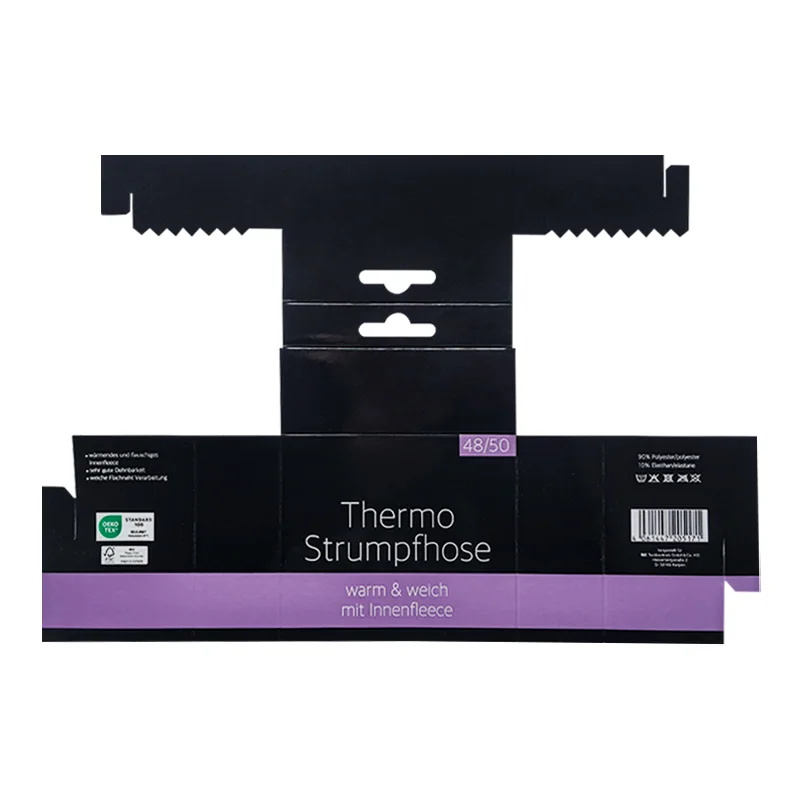
Checklist
Product and distribution inputs to collect
- Use case
- Artwork ownership
- Quantity profile
- Rub and abrasion
- Target quantity and SKU allocation
- Approval sample and decision owner
- Required date and Mainland China delivery point
- Change and repeat-order record
Structural decision
Four checks before freezing the structure
Use case
Separate retail display, e-commerce delivery, gifting, storage and transport needs because they create different performance priorities.
Artwork ownership
Freeze approved copy, logos, legal marks, languages and version responsibility before output; production checks do not replace content approval.
Quantity profile
Confirm launch quantity, repeat-order forecast, SKU count and allocation by version so the production route can be compared fairly.
Rub and abrasion
Set dry or wet rub method, load, cycles and acceptance appearance for the actual ink, coating and delivery environment.
Execution method
Four actions from RFQ to production
Measure the packed product
Use production-representative product dimensions, weight and fragile areas.
Prototype the structure
Test fit, opening, closing, assembly and packing before visual artwork is final.
Test the distribution route
Include stacking, handling, e-commerce or retail conditions that the pack will face.
Release the matched dieline
Link the final geometry, material and approved physical sample as one standard.
FAQ
Questions buyers often ask
Should a garment label be woven or printed?
Woven labels provide a textile construction and durable yarn detail, while printed labels can handle fine changing content; choose by feel, artwork, volume and use.
What should be written in the specification?
At minimum, define Use case, Artwork ownership, Quantity profile, Rub and abrasion, then link quantity, sample, timing, inspection and the approved revision.
Is a physical sample needed?
A decision involving structure, material, colour, finish, assembly or use performance normally needs a physical sample matched to that question; a screen proof cannot approve everything.
Can the previous standard be reused for a repeat order?
Reuse a controlled standard only when files, material, structure, supply chain and use conditions remain unchanged. Record every change and decide whether resampling or reapproval is required.
Continue building the procurement specification